
Why I Stopped Calling My Rest "Resistance"
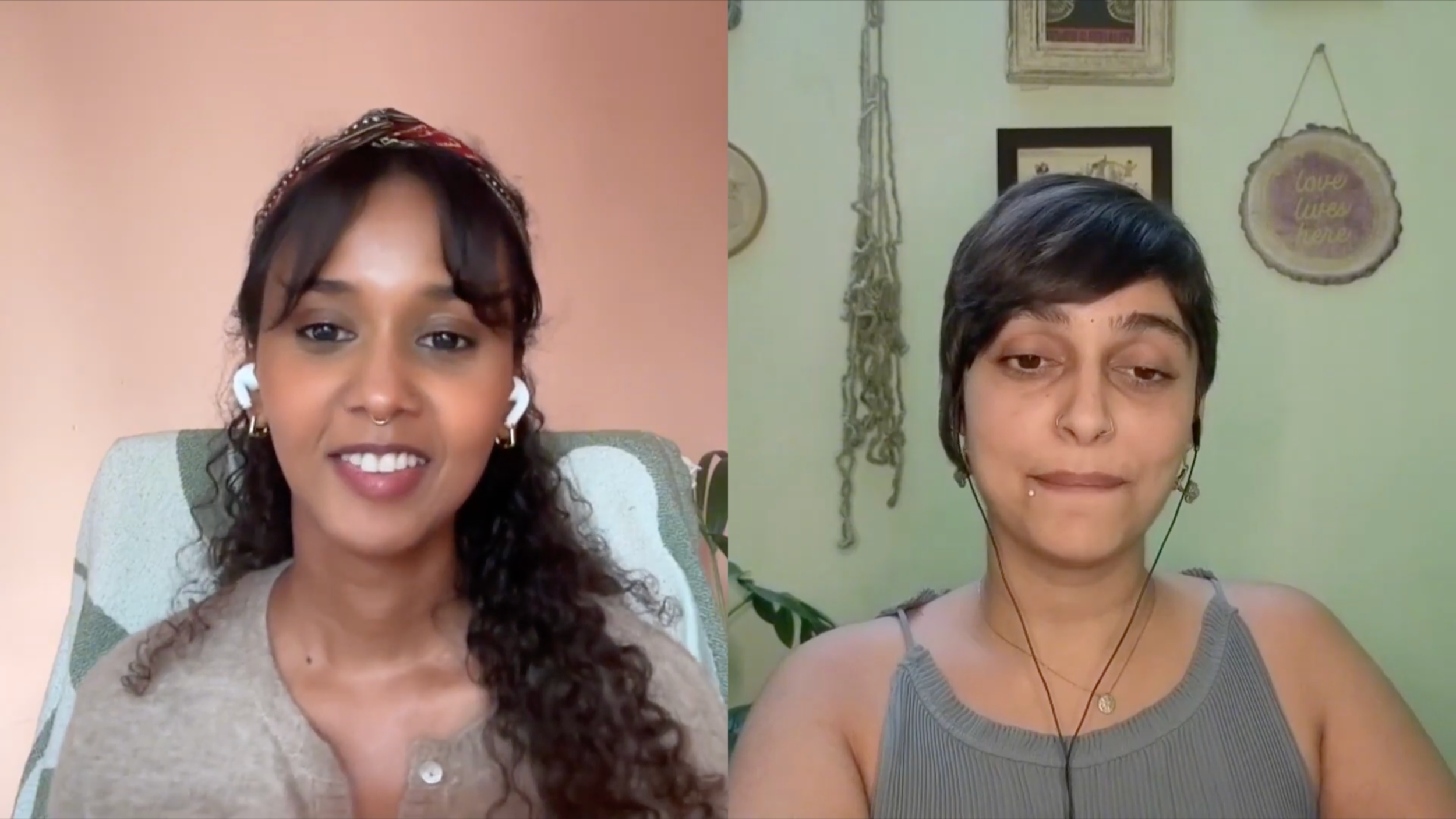
Image Source: Inspire Breathwork Podcast
Notes from a conversation with Zahra Mahomoud on burnout, whirling, and rest that isn't fighting anything
There's a moment late in this conversation where Zahra Mahomoud says something that quietly complicates almost everything the rest of this podcast series has built toward. Rest as defiance, she says, used to serve her completely. Now she's moving away from it. Because if you're resisting a system, you're still operating inside that system's paradigm, still defined by what you're pushing against. Applied to rest, that framing does something strange. It turns rest into another task, another position to hold, and takes the actual rest out of resting.
I didn't expect that turn, and I think it's the most useful thing in the whole conversation.
Zahra came to breathwork the way a lot of people did, during lockdown, isolated, in a relationship that wasn't working, looking for some kind of relief without knowing what she was walking into. Her first session left her with a sensation she'd never felt in her body before, tingling everywhere, and afterward, the particular rush that sometimes follows conscious connected breathing, a download of insight she hadn't gone looking for. There is no right or wrong path, it told her. Some are just more painful than others. It's a matter of being discerning, and trusting. She hasn't stopped practicing since.
What kept her from training for years wasn't doubt about the practice. It was a belief that healers needed to already have their lives assembled before they were allowed to hold space for anyone else. That shifted, unexpectedly, with her nephew. A few months old, prone to crying the second anyone other than his mother entered the room, he cried when Zahra sat beside him, and then, within ten seconds, stopped and pressed his face into hers. Something in that told her presence might matter more than credentials. She started looking for training soon after, and when she found Hannah's course, she read the copy and cried, not from sadness, but relief. Here, finally, was a program that treated wellness as a systemic question rather than a personal failing, one that acknowledged breathwork's roots outside the West rather than presenting it as a recent Western discovery.
One idea from the training has stayed with her more than any other, what her cohort calls the fire framework, which widens the definition of ancestry past bloodline alone, into ideology, into elements, into the animals and landscapes you feel kinship with. For Zahra, raised practicing Islam, it changed how she related to the prophets and companions she'd grown up hearing about, from distant historical figures into something closer to archetypes she could actually align herself with, embody, return to. It changed her relationship to water too, which she'd always loved without quite knowing why, until the course helped her link it specifically to how she meets her own anger.
Whirling entered her life almost by accident, at a festival, through a conversation with a dervish whose actual performance she'd missed. What struck me was how quickly the technique itself became beside the point. Once you have the basic movement, she said, the rest is surrender, and trust, and permission to let go. The gaze stays soft while whirling, unfocused, everything blurred, and the mind, rather than emptying completely, simply quiets, thoughts passing through without sticking the way they usually do. There's real symbolism built into the form too, one hand reaching down toward the earth, the material world, the other lifting toward the sky, openness to whatever wants to move through. She still gets anxious talking about actually doing it, which felt honest in a way most spiritual conversations about surrender aren't.
She's been quietly weaving healing into things she was already doing, rather than importing wellness as a separate category into her life. Her Somali supper club started as a way to gather people around food and remembered ancestry through cooking, and only recently gained a five-minute grounding at the start, enough to remind people they're not there to perform, that London's particular flavor of networked social anxiety doesn't have to follow them into the room. Her daily prayer, salah, translates literally to connection, a pause carved out of however chaotic the day is, to reconnect with something beyond it. None of this, she pointed out, gets counted as wellness by the industry that claims the word, and that's precisely why conventional wellness spaces never held much for her. She avoided them almost entirely, partly because therapy with non-Muslim therapists meant constantly translating her own faith into terms they'd recognize, an exhausting tax she doesn't have to pay with the Sufi-informed therapist she eventually found, someone who could map concepts from Islamic tradition directly onto Internal Family Systems language, so a session could land somewhere deeper without the translation layer in between.
The collapse that actually taught her about rest arrived by contrast. Three days at a festival, whirling, feeling fully connected to people and to her own body in a way survival mode had never allowed, and then logging back into work the next morning and watching her body slam straight back into the state it had been living in for years, so fast and so completely that the speed of it told her everything. Her body, she realized, had been asking her to stop for a long time. She took time off. Grief came first, loud for about a month, and underneath the grief, something more like real repair.
What she's landed on now isn't rest as fighting anything. It's rest as invitation, an ongoing question rather than a battle position. What does my body actually want today. How do I love myself today. Sometimes that's dancing. Sometimes it's a long bath with rose and lavender. Sometimes it's pressing her forehead to the ground in prayer. What ties it together isn't defiance against a system, though she's clear-eyed about the system. It's simply attention, turned toward herself, without needing a fight to justify it.
You can hear the full conversation between Suks and Zahra Mahomoud, including a closing reading of Lucille Clifton's poem "won't you celebrate with me," in Episode 5: The Sacred Pause: When Rest Becomes a Portal into New Possibilities, on the Inspire Breathwork Podcast. You can find Zahra on Instagram at @theunknowingtable.
If this is a thread you want to keep pulling, Breathing Beyond Empire goes further into it, through breath, embodiment, and collective healing.
