
Breathing Techniques During Exercise: A Practical Guide
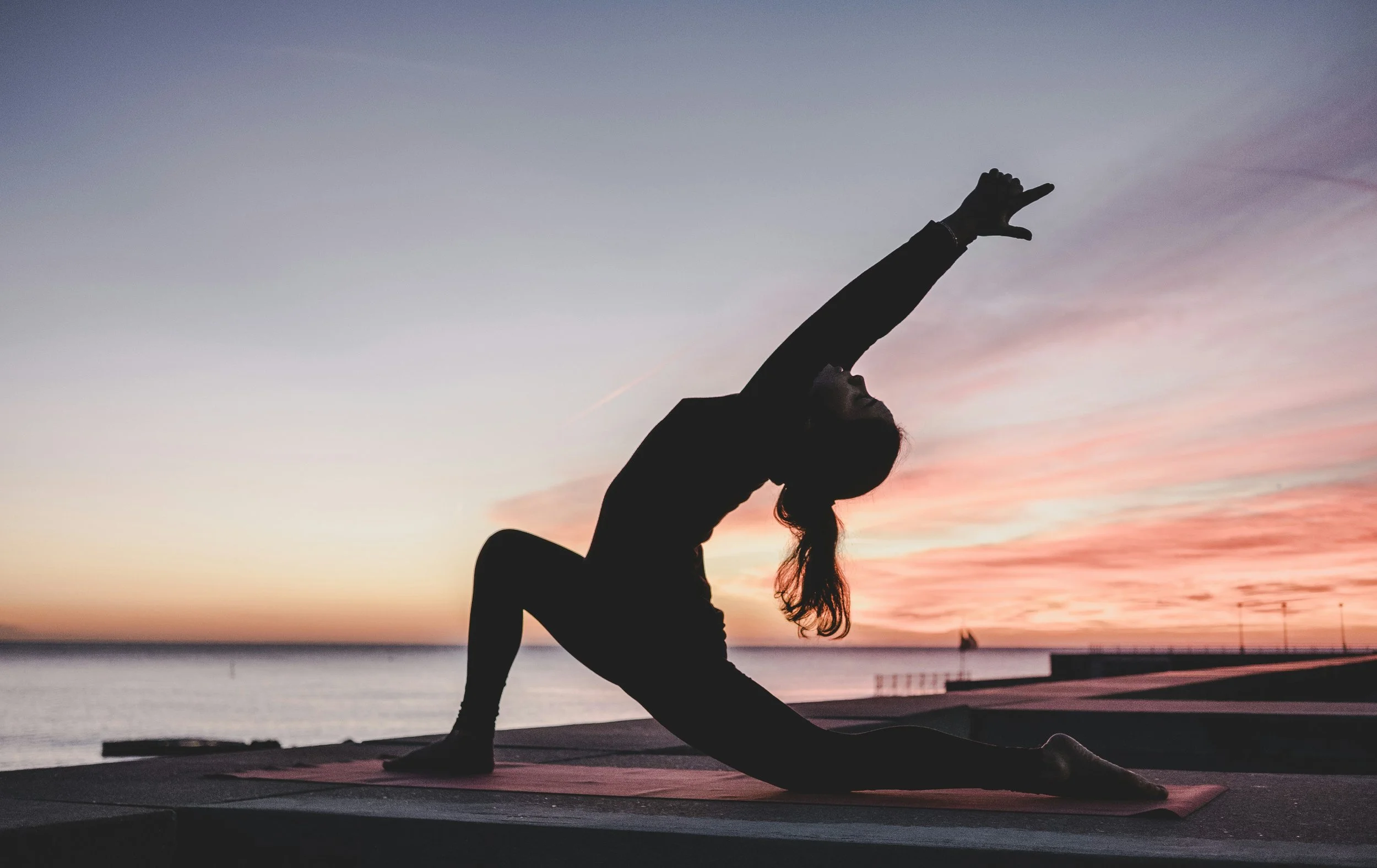
Image Source: kike vega
Breathing techniques during exercise
You are already breathing, and the moment you start moving, that breath has to work harder. Up to 40% of runners experience breathlessness during exercise that goes beyond simple exertion, and a lot of that discomfort comes down to breathing pattern, not just fitness level.
Why breath matters as much as pace
When you exercise, your breathing rate naturally increases to meet your muscles' demand for oxygen and to clear the carbon dioxide building up as a byproduct of effort. But how you breathe during that increased demand, whether it stays shallow and chaotic or finds some kind of rhythm, genuinely affects how the effort actually feels, and how efficiently your body handles it.
Belly breathing, even while moving
Diaphragmatic breathing isn't only for stillness. Letting your belly expand on the inhale, rather than breathing shallowly high in the chest, helps draw air more efficiently into the lower lungs, where more effective oxygen exchange happens. It also engages your core, which supports stability through each stride or movement. It takes practice to access this while your body is working hard, but it's worth building familiarity with the pattern during rest first, using our guide to diaphragmatic breathing exercises, before layering it into movement.
Rhythmic, patterned breathing
Syncing your breath to your movement, a certain number of steps or strides per inhale and exhale, is sometimes called locomotor-respiratory coupling, or simply rhythmic breathing. Research has found that runners tend to naturally settle into this kind of synchronised pattern, and that it's associated with smoother, quicker transitions between inhaling and exhaling. A common starting pattern for running is an odd-numbered rhythm, for example inhaling for three steps and exhaling for two, which helps alternate the impact of each foot strike across breathing phases rather than always landing hardest on the same side. In cycling, the same idea applies to pedal strokes instead of steps.
Nasal breathing during lower-intensity effort
For easier, steady-state exercise, breathing in and out through the nose rather than the mouth is often recommended. It naturally slows the breath, filters and warms incoming air, and supports engagement of the parasympathetic nervous system even while you're moving. As intensity increases, most people naturally need to shift to mouth breathing to meet oxygen demand, and that's a normal, expected transition rather than something to resist.
Managing the exhale under effort
At higher intensities, an active, complete exhale, sometimes described as squeezing all the air out before the next inhale, can help fully clear stale air and make more room for oxygen-rich air on the next breath. Pursed-lip breathing, more commonly associated with respiratory conditions, has also shown some benefit during high-intensity or high-altitude effort, since it helps keep airways open a little longer.
A gentle path to building this
Practice belly breathing at rest first. Build the pattern before asking your body to access it under effort.
Start rhythmic breathing on easy sessions. Try syncing your breath to your steps for short stretches, a minute at a time, before expecting it to feel automatic.
Use nasal breathing on lower-intensity days. Let it shift naturally to mouth breathing as effort increases, without forcing it to stay nasal past the point of comfort.
Don't fight side stitches, adjust instead. If discomfort builds, slowing your pace and consciously lengthening your exhale can ease it.
Expect this to take weeks, not days. Most people notice rhythmic and nasal breathing patterns becoming more automatic somewhere between four and eight weeks of consistent practice.
It isn't about breathing perfectly through every session
There's no single correct breathing pattern for every runner, cyclist, or workout, and no failure in gasping through a hard interval or forgetting your rhythm halfway through a session. These are tools to draw on, not a standard you're required to meet every time you move.
Curious to explore breathwork beyond exercise?
If working with your breath during movement has sparked a wider curiosity, Free Guided Breathwork is a no-cost way to try a guided session and experience breathwork in a different context, at rest, with nothing to sign up for.

Frequently asked questions
Should I always breathe through my nose while exercising? It's a good default for lower-intensity, steady-state effort. At higher intensities, most people need to shift to mouth breathing to meet oxygen demand, which is completely normal.
What's the best breathing pattern for running? There isn't one universal answer, but many runners find an odd-numbered rhythm, like a three-two inhale-exhale pattern, helpful for alternating impact across both feet.
Can breathing technique really prevent side stitches? It can help. Slowing pace and consciously lengthening the exhale is a commonly recommended way to ease a stitch once it starts.
How long does it take to build a new breathing pattern into exercise? Most people notice a rhythmic pattern becoming more automatic within four to six weeks of consistent practice, with full comfort sometimes taking a bit longer.
Sources referenced: Frontiers in Physiology, "Breath Tools: A Synthesis of Evidence-Based Breathing Strategies to Enhance Human Running," frontiersin.org/journals/physiology/articles/10.3389/fphys.2022.813243/full; American Lung Association, "Breathing Basics for Runners," lung.org/blog/breathing-basics-for-runners.
