
Best Exercises to Improve Lung Function, Backed by Research
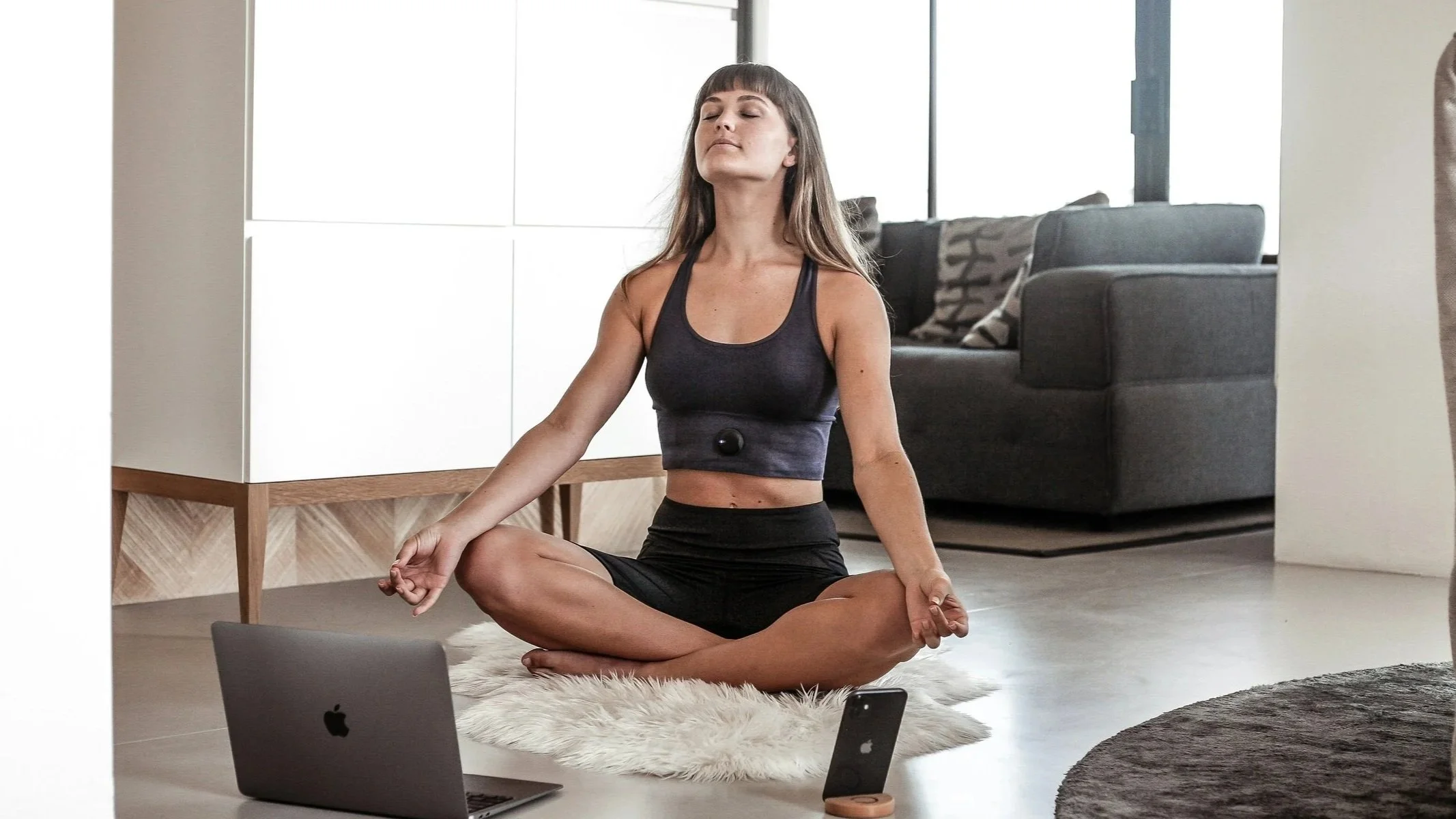
Image Source: Angelina Sarycheva
Best exercises to improve lung function
You are already breathing right now, using only a fraction of what your lungs are actually capable of. Most of us do. The good news is that lung function, how efficiently your lungs move air and exchange oxygen, is something you can genuinely train, gently and over time.
This isn't about chasing bigger numbers on a spirometer. It's about breathing a little more fully, with a little more ease, and understanding which exercises actually help.
What "lung function" really means
Lung function refers to how well your lungs take in air, expand, and exchange oxygen and carbon dioxide. It's shaped by the strength of your respiratory muscles, especially the diaphragm, the flexibility of your chest and rib cage, and how efficiently your breathing pattern moves air in and out. Age, illness, smoking, posture, and general fitness all play a role, but so does simple practice.
Two things matter here. Aerobic exercise strengthens your lungs and heart by making them work harder over time. Breathing exercises train your respiratory muscles and your breathing pattern directly, and they can help even without ever raising your heart rate.
The exercises that actually help
Diaphragmatic breathing
This is the foundation. Diaphragmatic, or belly, breathing trains your diaphragm, your primary breathing muscle, to do more of the work instead of relying on smaller accessory muscles in your neck and shoulders. Sit or lie comfortably, place one hand on your belly, and breathe slowly through your nose, letting your belly rise. Exhale slowly. Even five to ten minutes a day builds real familiarity with this pattern. Our guide to diaphragmatic breathing exercises walks through a few variations.
Pursed-lip breathing
Widely recommended by pulmonologists and used in pulmonary rehabilitation for people with asthma and COPD, this technique slows your breathing and helps keep your airways open longer. Inhale gently through your nose for two counts, then exhale slowly through pursed lips, as if you're blowing out a candle, for about twice as long. It's one of the simplest tools available if you notice breathlessness during the day.
Box breathing
A structured, even pattern of inhaling, holding, exhaling, and holding again, each for an equal count. It's less about lung capacity directly and more about training a slower, more controlled breathing rhythm, which supports overall respiratory efficiency and a calmer nervous system. Our full guide to the box breathing technique breaks down the steps.
Aerobic movement
Walking, swimming, cycling, or any activity that raises your heart rate for a sustained period asks your lungs to work harder, which builds respiratory endurance over time. You don't need intensity here. Consistency matters more.
Inspiratory muscle training
This involves breathing in against light resistance, either using a simple handheld device or through techniques like tightly pursed-lip inhales. Some research has linked this kind of targeted training to measurable increases in inspiratory muscle strength over several weeks.
A note on safety
Breathing exercises are low-risk for most people, but a few things are worth knowing. If you're managing a respiratory condition like asthma, COPD, or a recent illness, it's worth checking with a doctor before starting anything new, and pulmonologists specifically recommend breathing exercises as part of care for these conditions. If you feel dizzy, lightheaded, or unusually breathless during any exercise, it's a sign to stop and return to your natural breath. None of these exercises should ever leave you feeling worse than when you started.
How to build this into a routine
Pick one exercise to start with. Diaphragmatic breathing is the easiest entry point for most people.
Practice for five to ten minutes a day, more than any single long session once in a while.
Add pursed-lip breathing whenever you notice breathlessness, whether during exercise or simply climbing stairs.
Layer in aerobic movement a few times a week, at whatever intensity feels sustainable for you.
Be patient. Meaningful improvements in respiratory strength and comfort tend to build over weeks, not days.
It isn't about optimising your lungs perfectly
There's no ideal lung capacity you're supposed to reach, and no failure in breathing at whatever pace your body needs today. This work is about building a kinder, steadier relationship with your own breath, not treating your body like a machine to be tuned.
That's part of what runs through our decolonial approach to breathwork too, questioning the idea that our bodies are something to be optimised rather than simply listened to.
Ready to explore breathwork for yourself?
If you're curious to build a fuller, steadier breath practice with real guidance, Tide Ritual offers a gentle, guided space to explore breathwork alongside others.
Want to explore breathwork beyond the individual?
Even something as practical as lung health connects to bigger questions about how we relate to our bodies and what care actually means. Breathing Beyond Empire opens up that exploration through a lens of embodiment, liberation, and collective healing.

Frequently asked questions
Can breathing exercises actually increase lung capacity? They can improve how efficiently you use your existing lung capacity, and in some cases measurably strengthen respiratory muscles. They can't reverse existing lung damage, but they help your lungs work closer to their full potential.
How long before I notice a difference? Some people feel a difference in ease of breath within a few sessions. Measurable changes in lung function typically take several weeks of consistent practice.
Is aerobic exercise or breathing exercise more effective? They work differently and complement each other well. Aerobic exercise builds respiratory endurance, while breathing exercises train muscle efficiency and pattern directly.
Are these exercises safe if I have asthma or COPD? Generally yes, and they're often recommended as part of care for these conditions. It's still worth checking with a doctor about pacing and which techniques suit you best.
Sources referenced: American Lung Association, "Breathing Exercises for Better Lung Health," lung.org/lung-health-diseases/wellness/breathing-exercises; Medical News Today, "How to Increase Lung Capacity: Simple Exercises," medicalnewstoday.com/articles/323787.
